

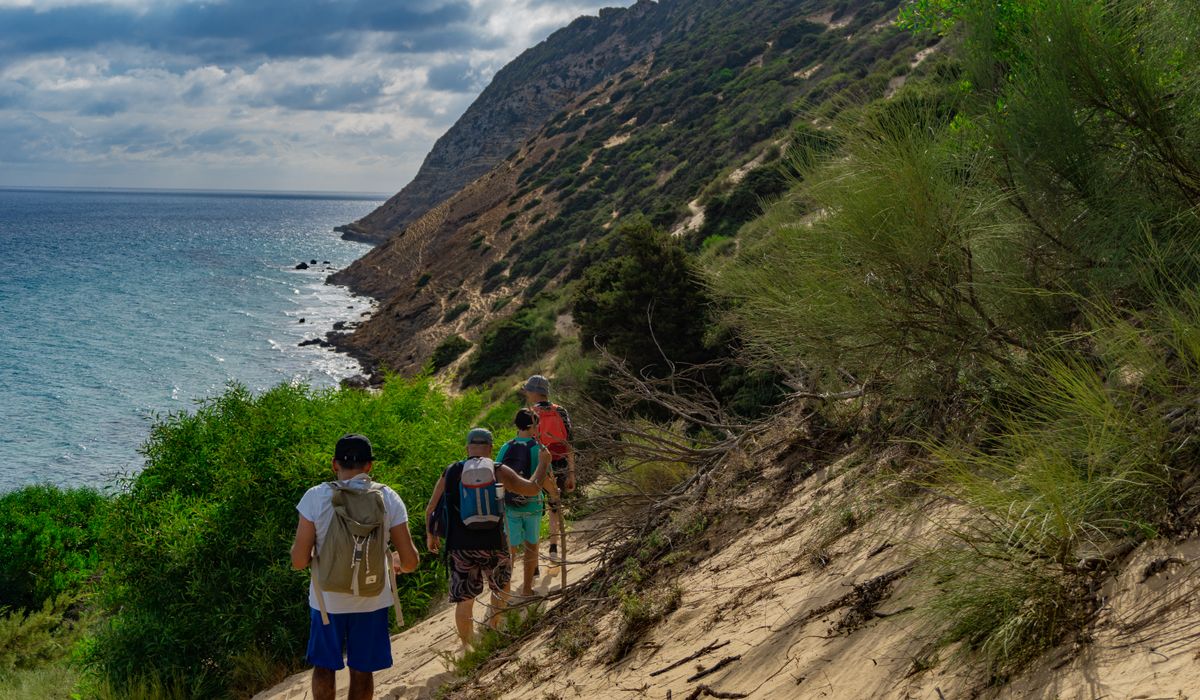
The pull of the cliff edge
There is a moment on any coastal walk when the path turns, the wind shifts, and the air fills with a sound you feel in your chest rather than hear with your ears. It is the clamour of a seabird city — thousands of birds packed onto ledges, wheeling over the water, turning the cliffs into one of the great wildlife spectacles the UK has to offer. Whether you live a few streets back from the harbour or you're visiting for a long weekend, cliffside nature reserves are among the most rewarding places to spend a morning. The trick is to enjoy them without disturbing the very birds you've come to see.
Know your trio: gannets, puffins and kittiwakes
Most cliff-top reserves in Britain host a mix of species, but three are the headline acts, and each has its own character. Northern gannets are the giants of the colony: brilliant white, with black wingtips and a soft apricot wash on the head and neck. They are unmistakable in flight, gliding on two-metre wingspans before folding into a torpedo and plunging into the sea at speeds that would make a diver wince. Watch for the vertical dives — a splash, a brief white shape, then a smooth swallow as they surface.
Atlantic puffins are the charmers. At around 25 centimetres tall they look comically small beside a gannet, with a rainbow-coloured bill that fades after the breeding season. Look for them on grassy slopes and in burrows near the cliff edge, or whirring past on fast, faintly frantic wings. Their short flights and orange feet are good clues when the light is poor.
Kittiwakes are the sound of the cliffs. These small gulls have a gentle grey-blue mantle, black legs and a yellow bill. They nest on the narrowest ledges, often on vertical faces where nothing else could cling on. Once you learn the call — a ringing, three-syllable kitti-wake — you will hear them long before you see them.
Timing your visit around the breeding season
Seabird colonies are seasonal places. Through winter, many cliffs fall silent, with gannets and kittiwakes heading out to sea and puffins vanishing entirely. The action builds from late winter and runs through the summer.
- February to March: gannets return to their colonies and begin reestablishing pair bonds and nest sites.
- April: puffins arrive, bills brightening, and start prospecting burrows; kittiwakes settle onto ledges.
- May to July: peak season. Chicks are hatching and growing, adults are commuting to feed them, and the cliffs are at their busiest.
- August to September: birds begin to leave. Puffins head offshore first, gannet chicks fledge and follow, and by autumn the colony is quiet again.
Early morning and late afternoon are often best. Light is softer, visitor numbers lower, and birds are actively coming and going. Avoid the heat of midday in high summer, when many birds sit tight and the cliffs radiate warmth.
Responsible viewing that keeps the colony safe
Every visit to a cliff reserve is a privilege, and the rules that protect seabirds are simple. These birds are not just resting; they are working hard to raise young, and a single disturbance can cost a chick its life.
- Stay on marked paths. Cliff-edge soil is fragile and burrows are easy to crush. Erosion is a real risk for you and for the birds.
- Keep your distance from the cliff edge and from nesting birds. Use binoculars or a spotting scope rather than getting closer.
- Keep dogs on a short lead near colonies, and consider leaving them at home during peak season.
- Never fly drones. They cause serious alarm and are banned at most reserves.
- Don't play recorded calls or use flash photography on burrows.
- Take litter home, especially fishing line and plastic, which entangle birds and are swallowed by chicks.
If birds take flight in a panic, or start calling loudly and circling, you're too close. Back away quietly and watch from a distance. A calm colony is a healthy colony.
Kit, comfort and harbour-side habits
A few practical touches make a big difference. Wear layers — coastal wind is cold even in July — and take waterproofs regardless of the forecast. Sturdy shoes are essential on uneven paths, and a hat will save your ears from the wind. Binoculars are the single best piece of kit; a spotting scope is even better for ledges that are far offshore.
If you're based in a harbour town, ask locally about the best viewing points and tide times before you set out. Low tide often opens up shore-level views of feeding birds, while a rising tide can bring gannets closer to shore as they follow fish. Many harbour cafés and chandlers are happy to share what has been seen that week. Plan around the weather, respect the wildlife, and you'll have a day that stays with you long after the wind has dropped.


Coding is used in almost all aspects of life and work now, be it directly or indirectly. It’s not just for companies in the tech sector. “An increasing number of businesses rely on computer code,
Coding is used in almost all aspects of life and work now, be it directly or indirectly. It’s not just for companies in the tech sector. “An increasing number of businesses rely on computer code,
Coding is used in almost all aspects of life and work now, be it directly or indirectly. It’s not just for companies in the tech sector. “An increasing number of businesses rely on computer code,