

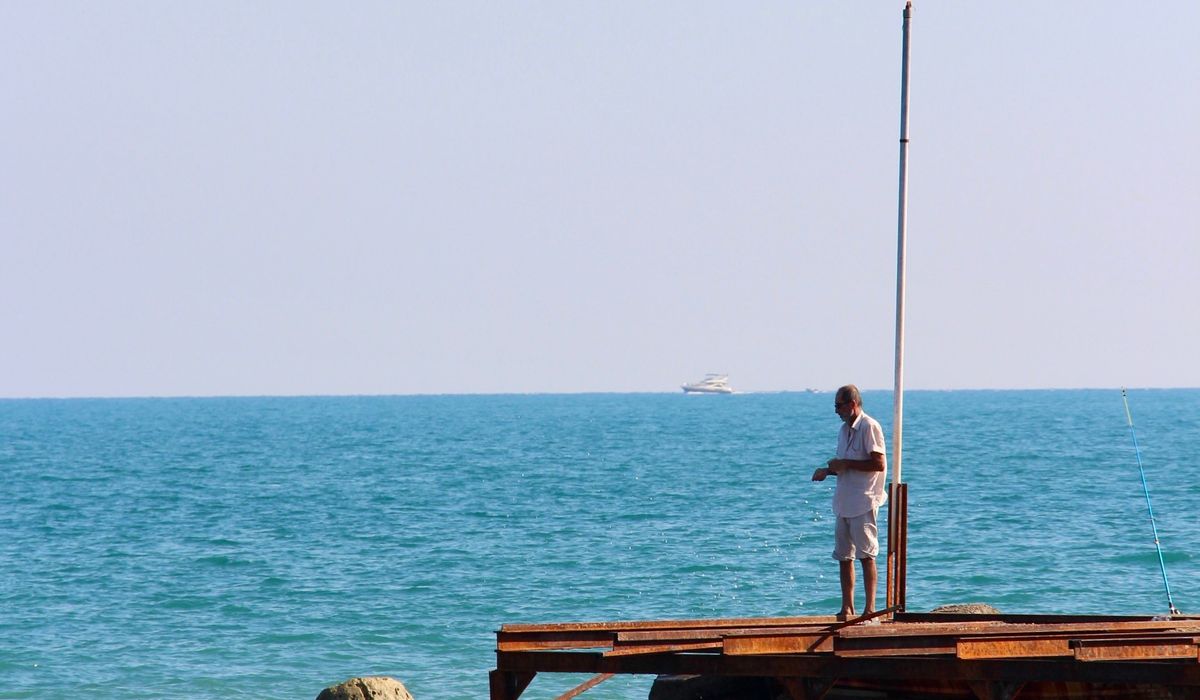
A slower way to cross the water
There is a particular pleasure in a ferry that takes twelve minutes and carries eight people. The big headline crossings do their job well, but the smaller services — the chain ferries, the rowing boats, the little passenger launches that link a town quay to a village slipway — are where coastal Britain really shows its character. They survive because people need them: school runs, dog walkers, delivery vans, and yes, curious visitors. Travel on one and you slip into the rhythm of a place rather than the schedule of a tourist trail.
Most of these crossings are short, inexpensive and gloriously car-free. You walk on, sit down, and arrive somewhere that feels much further away than the distance on the chart suggests.
Estuary crossings with a hint of the exotic
Estuaries are made for ferries, because the water is wide, the bridges are far apart and the road detour is often absurd. The crossing from Bodinnick to Fowey in Cornwall takes a handful of minutes and lands you directly beneath the town's crooked streets — far better than fighting for a space in the car park above. On the Fal, the King Harry chain ferry saves a long loop of lanes and gives you herons, oak woods and moored yachts in the space of a few hundred yards.
Further east, the passenger ferry between Teignmouth and Shaldon is a proper local institution: a short hop across the Teign that turns a riverside walk into a day out. In Dorset, the chain ferry at Sandbanks carries cars across the mouth of Poole Harbour to Studland, though foot passengers get the best of it — step aboard, stand at the rail and watch the kites and the harbour entrance slide past. Arrive early in high season, or you will spend your morning in a queue.
Island days without a car
The best quiet islands are rarely the famous ones. Off Oban, the little ferry to Kerrera takes minutes and drops you on a shore of seals, ruined castles and a single tea garden; you can walk the southern half in an afternoon. In Argyll, the Easdale and Luing crossings are so short that the skippers know every passenger by name, and you can be on a slate island with no roads before your coffee has gone cold.
- Caldey Island, off Tenby: seasonal boats from the harbour, a working monastery, and a beach that empties as soon as the last crossing leaves.
- Orkney's inner isles: the Tingwall service links the mainland with Wyre, Egilsay and Rousay — three islands, three quite different afternoons.
- Brownsea Island, Poole: a short harbour crossing to woodland, red squirrels and lagoon birdlife.
- Bardsey, off the Llŷn Peninsula: a genuine adventure in a narrow channel, running only in calm weather and on selected days.
Tides, timetables and the last boat home
Small ferries answer to the water, not to you. Tides decide whether some slipways are usable at all, and the difference between a 10am and a 2pm sailing can be the difference between a leisurely day and one spent watching the clock.
Check three things before you set out: the first and last crossing of the day, whether the service is seasonal or weather-dependent, and whether foot passengers need to book. Many of these routes take no reservations for walkers, but a few island services do, and turning up hopeful on a busy Saturday in August is a reliable way to be disappointed. Ring ahead if the weather is marginal — skippers cancel for wind and swell far more readily than the big operators. And always, always know the time of the last boat back. Missing it means an expensive taxi, a night in a hotel you did not budget for, or a very long swim.
Packing and etiquette on a small crossing
Treat a short ferry like a short fell walk. Bring a waterproof, a warm layer and a drink, because the wind on an open deck is colder than the forecast implies. Cash is still useful on the smallest routes, and a small rucksack beats a wheeled suitcase on a steep slipway every time.
Dogs are generally welcome but should be kept clear of the gangway. Cyclists should ask before wheeling a bike aboard, and anyone with limited mobility should mention it when booking — most operators will help, but many landing points are steps and shingle rather than ramps.
Building a proper day of it
The joy of these crossings is how easily they combine into a full day. Take the ferry across, walk a coastal path for an hour or two, eat a late lunch in the village pub, and return on the evening sailing as the light softens. Because you left the car behind, you can stop at a harbour-side brewery on the way back without a second thought.
Go slightly out of season if you can. In late spring and early autumn, the ferries still run, the islands are quieter, the light is better and the people on board are mostly locals going about their day. That, more than any viewpoint, is the real reason to take the small boat: for twenty minutes you are not a visitor, just another passenger watching the water.


Coding is used in almost all aspects of life and work now, be it directly or indirectly. It’s not just for companies in the tech sector. “An increasing number of businesses rely on computer code,
Coding is used in almost all aspects of life and work now, be it directly or indirectly. It’s not just for companies in the tech sector. “An increasing number of businesses rely on computer code,
Coding is used in almost all aspects of life and work now, be it directly or indirectly. It’s not just for companies in the tech sector. “An increasing number of businesses rely on computer code,